Betting on the Weather: Prediction Markets and Weather Derivatives Explained
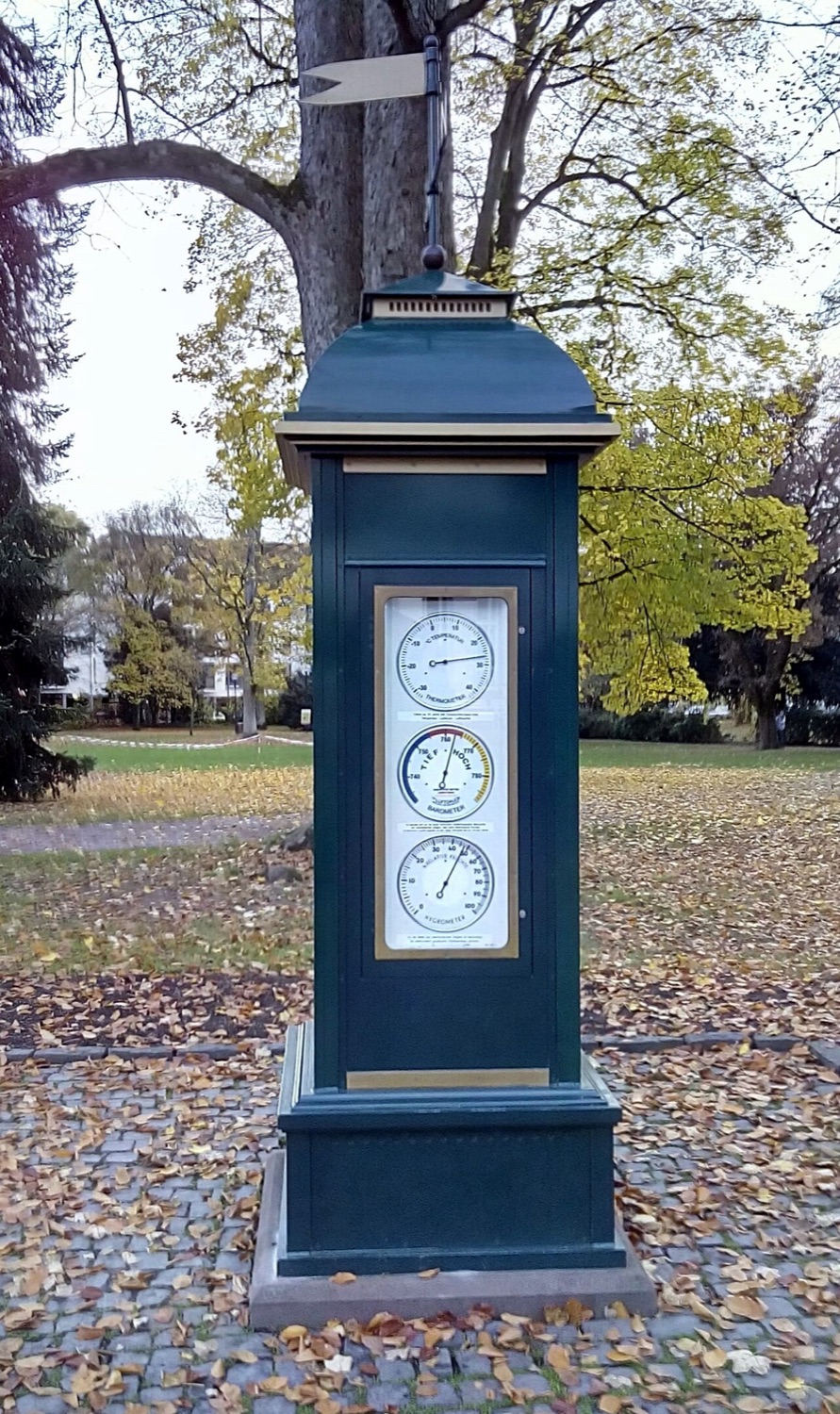
For a long time "betting on the weather" was a figure of speech. Today it is a real market. Farmers and energy companies hedge against heat waves with weather derivatives, and regulated prediction markets let individuals trade on questions such as tomorrow's high temperature in a major city. Here is how it works, in plain language.
Weather derivatives: hedging for business
The Chicago Mercantile Exchange (CME) began listing weather futures in 1999. The most common contracts are based on heating degree days and cooling degree days, which measure how much colder or warmer each day is than a baseline of 65°F. A gas utility that loses money in a warm winter can buy contracts that pay out when heating degree days are low. Ski resorts, farms, drinks companies and event organisers use similar tools, often through private contracts with insurers.
Prediction markets: yes or no contracts
Prediction markets offer contracts on whether an event will happen. Each contract typically pays $1 if the answer is yes and nothing if it is no. If a contract on "Will the high temperature in a given city be above 80°F tomorrow?" trades at 35 cents, the market is roughly saying there is a 35 percent chance.
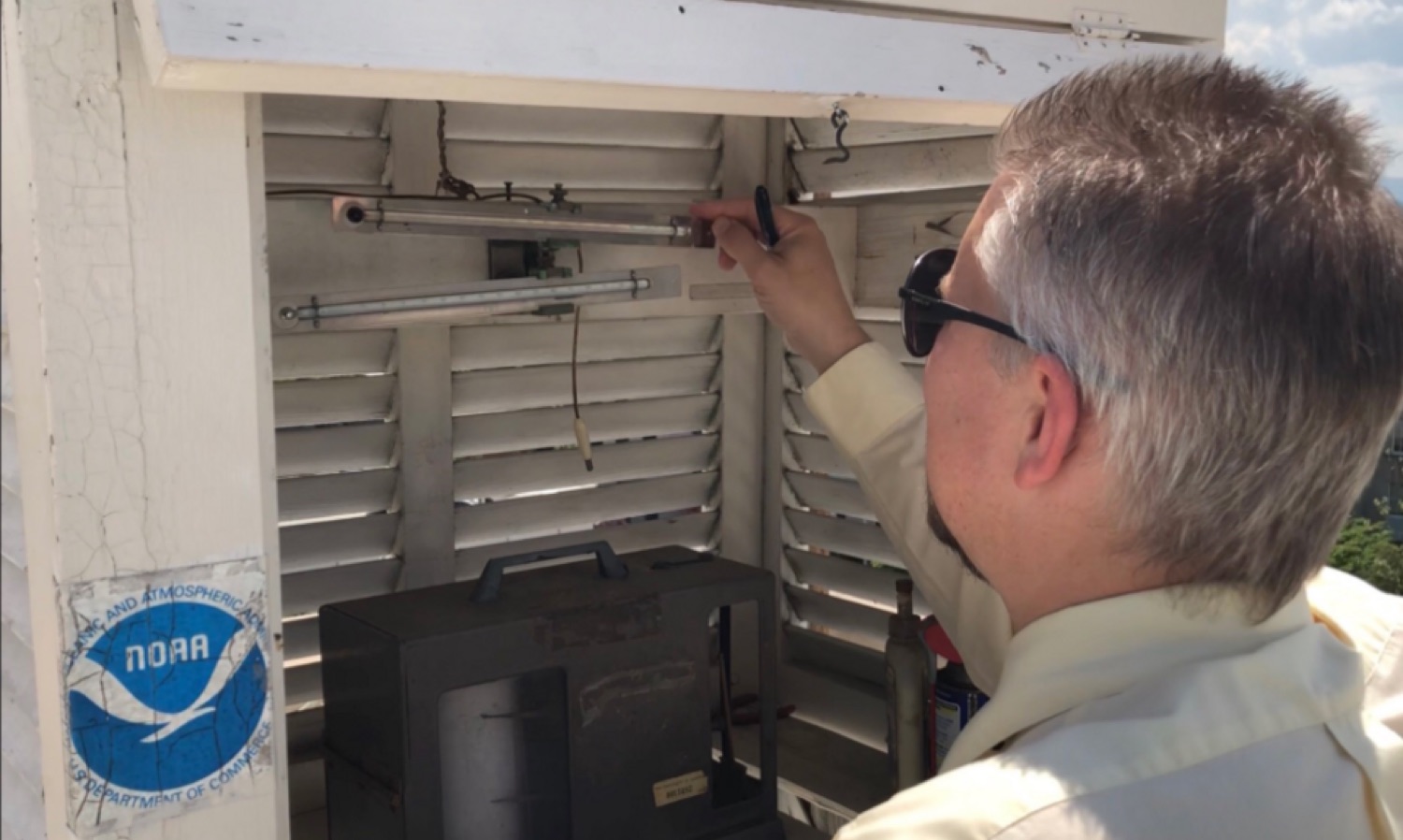
- Kalshi, a U.S. exchange regulated by the Commodity Futures Trading Commission (CFTC) as a designated contract market, lists daily high and low temperature markets for a range of U.S. cities. According to its help pages, these settle on the National Weather Service's final Daily Climate Report for the named station, not on weather apps.
- Other platforms, including Polymarket, have run markets on climate questions such as whether a year will be the warmest on record or how much Arctic sea ice there will be. Availability depends on where you live.
How settlement works
| Detail | Why it matters |
|---|---|
| Official data source | Markets name a specific station and report, usually from the National Weather Service; your phone's reading does not count |
| Time window | NWS climate days use local standard time, so in summer the "day" runs from 1 a.m. to just before 1 a.m. the next day |
| Delays | Settlement can wait for the final report if preliminary data are revised |
| Contract rules | Each market's rulebook defines the exact terms, which can change |
Is it gambling?
Legally, U.S. prediction markets such as Kalshi are treated as regulated derivatives exchanges rather than sportsbooks, which is why they can operate nationally. That status has been challenged in court by several states, mostly over sports contracts, and the legal picture is still evolving. In practice, for an individual, a temperature contract behaves much like a bet: you can lose what you put in, and a fee or spread works against you. The National Weather Service's forecasts are free and very good, so there is rarely an easy edge.
Why climate watchers find it interesting
- Prices as forecasts: markets aggregate many opinions into a single probability, sometimes useful alongside official forecasts.
- Climate awareness: markets on record heat or sea ice keep long-term trends in the public eye.
- Risk transfer: weather derivatives and catastrophe insurance help businesses survive extreme years, which matters as heat waves and storms become more frequent.
Weather markets in brief
- Business tool
- CME weather futures since 1999, based on degree days
- Retail markets
- Daily city temperature contracts on CFTC-regulated exchanges
- Settlement
- Official NWS data for a named station
- Prices
- Roughly equal to the market's implied probability
- Caution
- Fees, spreads and expert forecasts make easy profits rare
This article is general information, not financial advice. For more on games of chance with a green angle, see eco-themed slots and board games, or return to Green Gaming.