Plant-Based Food and the Climate: What the Research Says
Talks at past Berkeley Earth Day festivals regularly returned to one theme: what we eat shapes the planet. That message is backed by a large body of research. Here is a balanced summary of what scientists have found, and how to put it into practice.
Food is a major source of emissions
Global food systems, from land clearing and farming to processing, transport and waste, are estimated to account for roughly a quarter to a third of human-caused greenhouse gas emissions, depending on what is counted. Livestock are a large part of that, mainly through methane from cattle and other ruminants, emissions from manure and fertiliser, and the clearing of forests for pasture and feed crops.
How foods compare
Large studies that compare foods across their whole life cycle find a consistent pattern: beef and lamb have by far the highest emissions per kilogram or per gram of protein, followed by cheese and other dairy, pork, poultry and farmed fish. Beans, peas, lentils, tofu, nuts and grains are generally much lower. The gap between the highest and lowest foods is often many times larger than the difference between, say, local and imported versions of the same food.
| Food group | Typical climate impact per unit of protein |
|---|---|
| Beef and lamb | Very high |
| Cheese and dairy | High to medium |
| Pork, poultry, eggs | Medium |
| Tofu, beans, lentils, peas | Low |
| Nuts and grains | Low (with some variation by crop) |
The same studies show plant-based diets generally use less land and often less water, which leaves more room for forests and wildlife.
What about local and organic?
Local and organic food can have real benefits for soil, biodiversity and local economies. But for climate impact, research suggests what you eat usually matters more than how far it travelled, because transport is a small share of most foods' footprint. Air-freighted produce is an exception.
Regenerative and veganic farming
Some advocates argue for "regenerative" grazing as a climate solution. The evidence on how much carbon grazing can store in soils is mixed, and many researchers caution that it cannot offset the methane from large herds at current levels of meat consumption. Others promote veganic or stock-free farming, which grows crops without animal manure or slaughterhouse by-products. Bay Area gardeners and farmers have experimented with these methods for years.
Health: eat more plants, sensibly
Well-planned vegetarian and vegan diets can be healthy at all stages of life, according to major dietetic organisations. A few nutrients need attention, especially vitamin B12, which vegans should get from fortified foods or a supplement, as well as iron, calcium, iodine, omega-3 fats and vitamin D. If you have a medical condition, are pregnant or are changing your child's diet, talk to a doctor or registered dietitian first. Eating more plants is not a cure-all, but it fits well with standard advice to eat more vegetables, fruit, whole grains and legumes.
Practical ways to shift
- Start with swaps: beans instead of beef in chili, oat milk in coffee, tofu in stir-fries.
- Try plant-based weekdays or one fully vegan day a week.
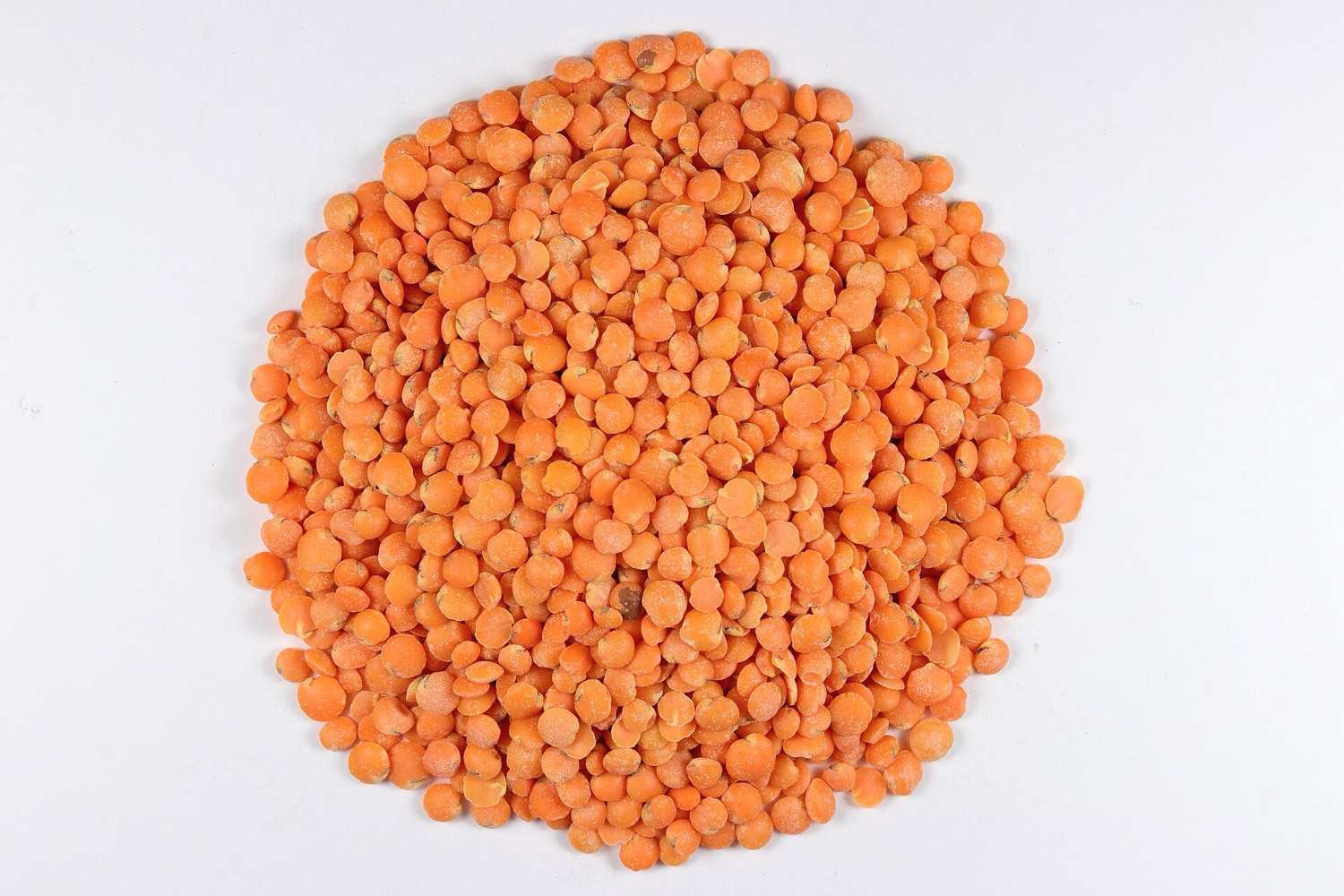
- Cook with legumes: lentils and chickpeas are cheap, filling and quick from a can.
- Waste less: plan meals and use leftovers; wasted food wastes all its emissions.
- Explore cuisines with plant-based traditions, listed in our vegan food in Berkeley guide.
Key takeaways
- Biggest lever
- Eat less beef, lamb and cheese
- Low-impact protein
- Beans, lentils, peas, tofu, nuts
- Local vs. what you eat
- What you eat usually matters more
- Vegan nutrition
- Plan for B12, iron, calcium, iodine, omega-3, vitamin D
- Bonus
- Cutting food waste helps on every diet
You do not need to be perfect. Even partial shifts, repeated over years and across a city, add up. More practical steps are in sustainable living tips for the Bay Area.