Zero Waste in Berkeley: Reusables, Compost and Recycling
Berkeley was one of the first U.S. cities with curbside recycling, and it still likes to lead on waste. That makes it a good place to try living with less rubbish. Here is a practical guide for residents and visitors.
Three carts, one goal
Most Berkeley households sort waste into three streams: recycling, compost (food scraps and yard trimmings) and landfill. Rules change over time and differ for apartments and businesses, so always check the City of Berkeley's current guidance, but the basics are:
| Stream | Usually accepted | Common mistakes |
|---|---|---|
| Recycling | Clean paper and cardboard, glass bottles and jars, metal cans, some rigid plastics | Greasy pizza boxes, plastic bags and film, "compostable" plastics |
| Compost | Food scraps, coffee grounds, yard trimmings, food-soiled paper | Plastic produce stickers, pet waste in some programmes |
| Landfill | What cannot be reused, recycled or composted | Batteries, electronics and paint, which need special drop-off |
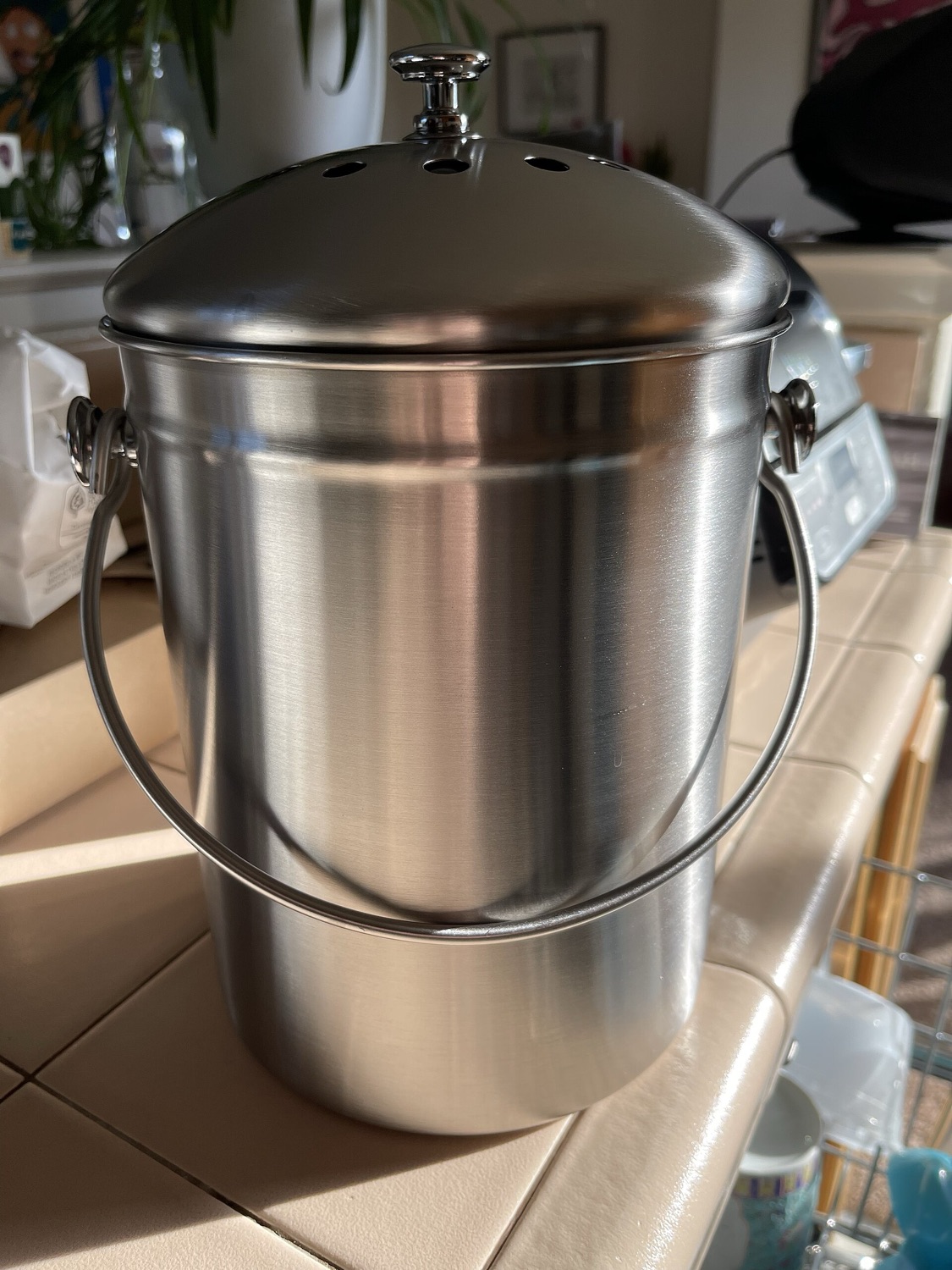
A kitchen compost pail like the one in the photo makes food scrap collection painless. Empty it into the green cart every few days and rinse it out.
The single-use foodware rules
In 2019 Berkeley adopted an ordinance aimed at cutting single-use cups, containers and utensils. Its main features include reusable dishes for dining in, compostable takeaway packaging and a charge for disposable cups. Bring your own cup and you avoid the charge. Implementation was affected by the pandemic, so details may differ from the original timetable, but the direction is clear: reusables first.
Refill, reuse, repair
- Refill shops: the Bay Area has a growing number of refill stores for soap, cleaning products and pantry staples. Bring clean containers.
- Bulk aisles: some grocery stores sell grains, nuts and spices by weight.
- Reuse yards and thrift: East Bay salvage and reuse businesses keep tonnes of building materials and household goods in circulation.
- Tool lending: borrow rather than buy tools you will use once.
- Repair events: volunteer fixers help with lamps, toasters, bikes and clothing.
Events without the rubbish
Festivals generate huge amounts of waste unless organisers plan for it. The best green events use reusable or compostable serveware, staffed sorting stations and water refill points. If you organise a fundraiser, from a community fair to a casino night or raffle for a local group, the same applies: skip plastic giveaways, use real cups, and pick prizes that are experiences or local products rather than more stuff.
Zero-waste starter kit
- Carry
- Water bottle, coffee cup, cloth bag
- At home
- Compost pail, containers for leftovers, cloth towels
- Shopping
- Produce bags, jars for bulk goods
- Habits
- Plan meals, repair first, buy used
Zero waste is a direction, not a test you pass or fail. Start with one habit, make it automatic, then add another. For more ideas see sustainable living tips for the Bay Area.