Berkeley's Green Roots: Recycling, the Bay and David Brower
It is no accident that Berkeley has hosted Earth Day festivals. The city and its university have been at the centre of several defining moments in American environmentalism, from the fight to stop the filling of San Francisco Bay to one of the country's first curbside recycling programmes.
Saving the Bay (1961)
In 1961 three East Bay women, Kay Kerr, Sylvia McLaughlin and Esther Gulick, learned of plans that would have filled in large parts of San Francisco Bay for development. They founded the Save San Francisco Bay Association, now known as Save The Bay. Their campaign led to the creation of the San Francisco Bay Conservation and Development Commission in the 1960s, one of the first coastal management agencies in the United States. Berkeley's shoreline parks and the Eastshore State Park owe a lot to that early fight.
David Brower and the Berkeley groups
David Brower, who grew up in Berkeley, became the first executive director of the Sierra Club in 1952 and turned it into a national force, campaigning against dams in the Grand Canyon. After leaving the club he founded Friends of the Earth in 1969 and later the Earth Island Institute, both with deep Bay Area roots. The David Brower Center in downtown Berkeley, which opened in 2009 and is known for its green building design, carries his name.
The Ecology Center and curbside recycling
The Ecology Center was founded in Berkeley in 1969, in the run-up to the first Earth Day. In 1973 it began collecting newspapers from residents' kerbs, one of the first residential curbside recycling programmes in the United States. The programme grew into the city's recycling service, and the Ecology Center still runs Berkeley's farmers' markets. Our zero-waste guide explains how to use today's system.
A campus of activists
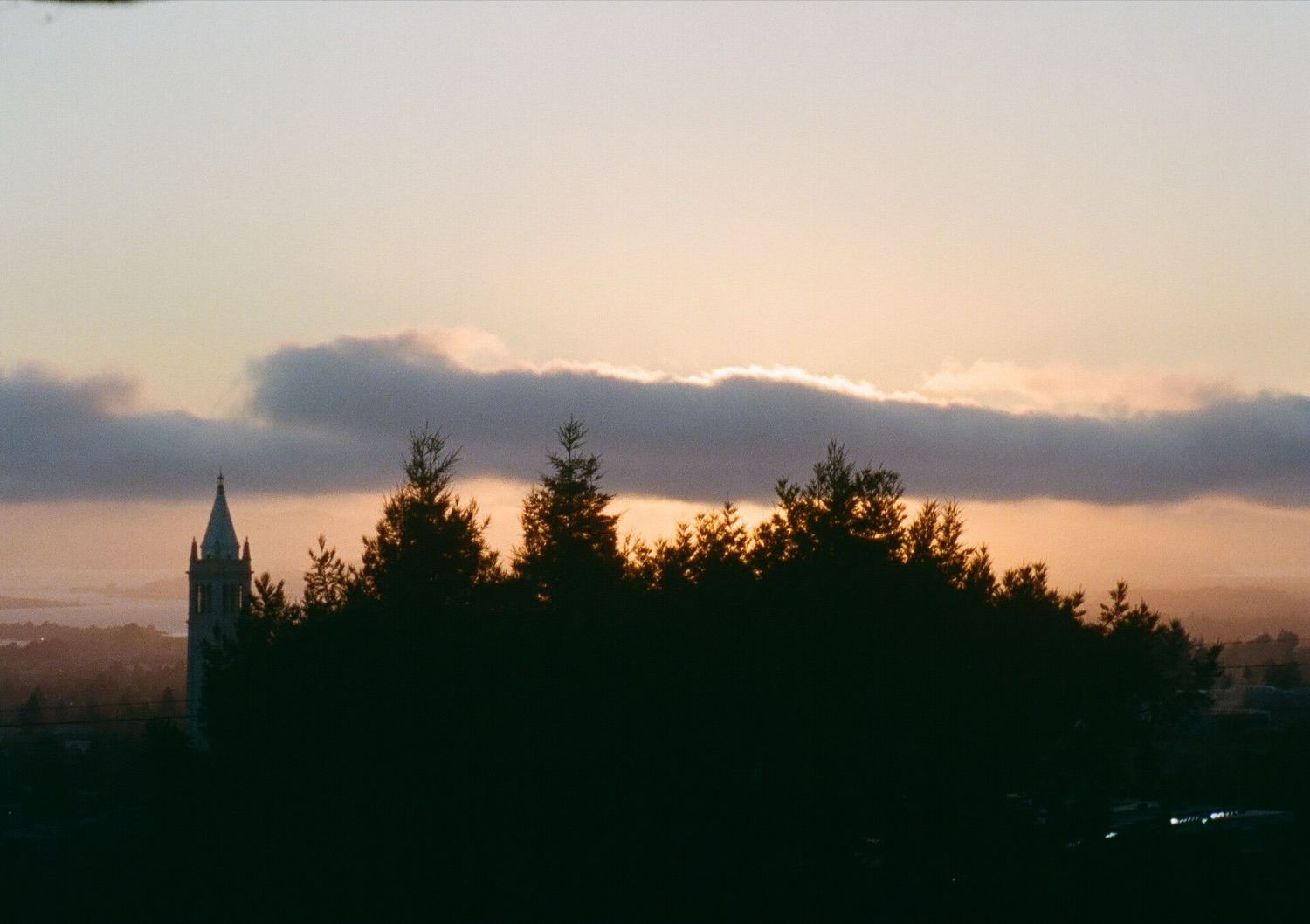
UC Berkeley, whose Sather Tower rises above the trees in the photo at the top of this page, has trained generations of environmental scientists, lawyers and organisers. Student groups have run sustainability workshops, campus gardens and climate campaigns for decades, and students took part in Berkeley Earth Day festivals with hands-on workshops. The university's research on energy, climate and food systems is regularly cited in policy debates.
City policies that made headlines
- Recycling and compost: citywide curbside collection of recycling and, later, food scraps and yard waste.
- Single-use foodware: in 2019 the city adopted an ordinance to cut disposable cups and containers, including a charge for disposable cups.
- Natural gas in new buildings: in 2019 Berkeley became the first U.S. city to vote to ban natural gas hook-ups in most new buildings. A federal appeals court later ruled against the ordinance, and the city moved to repeal and replace it, so the story is still evolving.
Berkeley green timeline
- 1961
- Save The Bay campaign begins
- 1969
- Ecology Center founded; Friends of the Earth launched
- 1970
- First national Earth Day
- 1973
- Curbside newspaper recycling starts
- 2009
- David Brower Center opens
- 2019
- Single-use foodware ordinance; gas hook-up ban vote
From history to everyday life
History is only useful if it changes what we do today. If you want to follow in these footsteps, start small: walk or bike to the farmers' market, join a shoreline clean-up, or volunteer with one of the groups in our guide to Bay Area environmental groups.